From Purchase to Protection: What Happens After You Buy a Home

The moment the keys are handed over is often a blur of relief and excitement. However, once the "Sold" sticker is placed on the signboard, a new emotional and practical reality sets in. The transition from property seeker to homeowner is a profound shift in responsibility. You are no longer just looking at a house; you are protecting a sanctuary and a future.
Managing this transition effectively requires moving past the initial adrenaline of the purchase and establishing a structured framework for long-term security.
The Immediate Transition of Risk
There is a common misconception that the previous owner remains responsible for the property until the day you move in. In reality, the risk of damage often passes to the buyer the moment the contract becomes unconditional. This period between signing and settlement is a vulnerable "limbo" that requires immediate attention.
Protecting your investment during this phase isn't just a requirement for your bank; it is about securing the peace of mind that your hard-earned deposit is safe before you even step through the front door.
Establishing a Protection Framework
A primary step in securing your new life is the implementation of home insurance. This serves as the foundational safety net that allows you to enjoy your new home without the constant "what if" looming in the background.
- Building Coverage: This acts as the shield for the physical structure of your home, covering the walls and roof that keep your family safe from fire, storms, or impact damage.
- Contents Protection: This is about the life you’ve built inside—the furniture where you’ll host dinners and the appliances that make a house a home.
- Legal Liability: Property ownership brings a duty of care; this coverage protects you if a guest is accidentally injured while on your premises.
The Post-Settlement Property Audit
Taking possession of a home is a sensory experience—the smell of fresh paint or the creak of a floorboard. Once the furniture is in, conduct a systematic audit. This isn't just about maintenance; it’s about taking "ownership" of every corner of your new space.
- Security and Safety: Changing the locks is a vital ritual for your emotional security. Testing smoke detectors and alarm systems ensures your family is protected from day one.
- Infrastructure Knowledge: Take the time to find your water main and electrical switchboard. Knowing how to shut these off in an emergency is a hallmark of a confident homeowner.
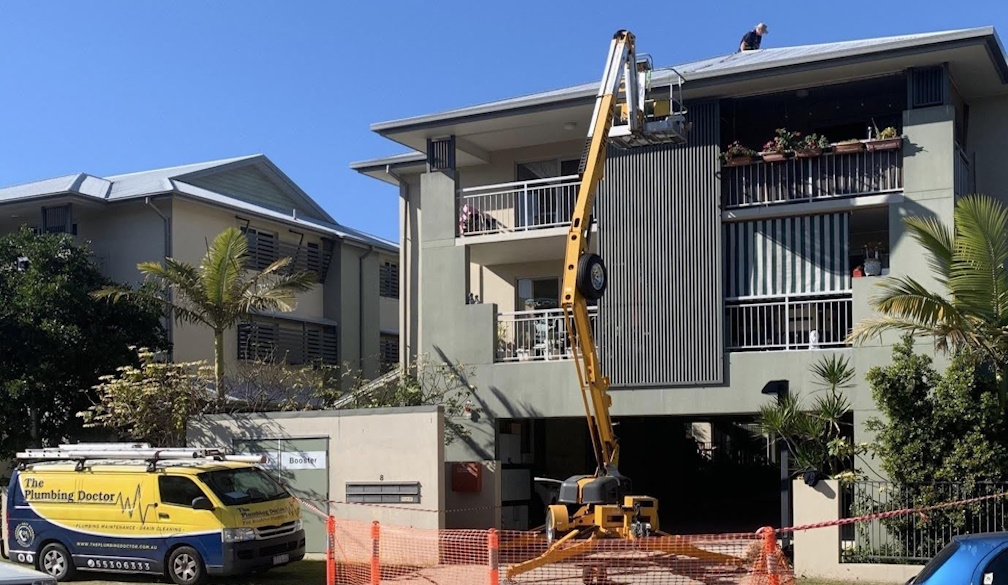
- Structural Health: Inspecting gutters and drainage before the first big storm isn't just a chore; it’s a proactive way to prevent the heartbreak of water ingress or foundation damage.
Long-Term Stewardship and Growth
Homeownership is a marathon, not a sprint. Maintaining a property in peak condition is an act of respect for the investment you have made. It supports capital growth and ensures your home remains a stable financial anchor for your family.
The Role of Preventative Maintenance
It is far less stressful—and cheaper—to service an air conditioner or inspect for termites annually than to deal with a catastrophic failure. Consistency in maintenance preserves the "soul" of the home and its market value.
Documentation and Accountability
Keep a "home diary" of all repairs and renewals. Accurate documentation is vital for your own records, future resale, and ensuring your home insurance policy remains valid and accurate.
Understanding Your Policy Obligations
A protection policy is a two-way street. Most insurers expect you to be a responsible steward of your property. This means keeping the home in a "good state of repair."
- The Duty of Honesty: You must inform your provider of significant changes, such as major renovations or if you decide to start a business from your home office.
- Mitigation of Loss: If something goes wrong, acting quickly to prevent further damage is your primary responsibility as a protector of the asset.
- Reviewing Your Coverage: As construction costs rise, ensure your "sum insured" reflects the actual cost to rebuild today, not the price you paid for the home years ago.
Securing Your Future
The journey from purchase to protection is defined by your move toward professional accountability. By combining a robust insurance framework with a disciplined maintenance schedule, you remove the guesswork from property ownership. This proactive stance ensures that your home remains more than just a financial asset—it remains a secure, protected haven for the years to come.