Why Safety Certified I/O Module Is Critical For Industrial Automation Systems
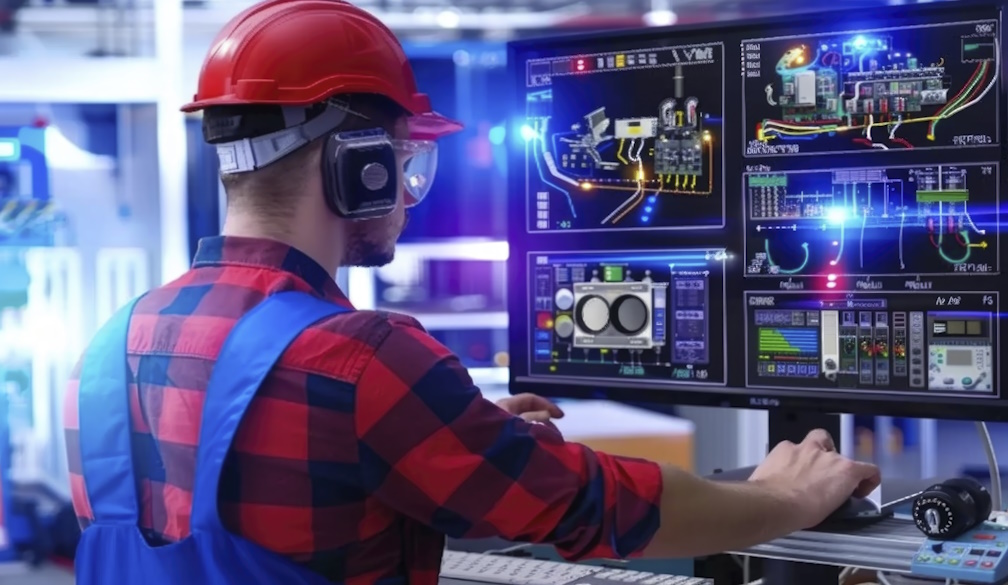
Industrial automation systems operate in environments where precision, reliability, and safety are essential, which is why using a safety certified I/O module is a critical requirement for modern operations. These modules are specifically designed to meet stringent safety standards while ensuring seamless communication between input devices, control systems, and output mechanisms. In industries where system failure can lead to operational disruptions or safety risks, certified components play a vital role.
As automation systems become more complex, the need for integrated safety solutions continues to grow. Safety certified I/O modules provide a structured approach to managing signals while maintaining compliance with industry regulations. This ensures that both equipment and personnel are protected during operation.
Understanding The Role Of Safety In Automation Systems
Automation systems rely on continuous data exchange between sensors, controllers, and actuators. Any disruption or malfunction in this communication can lead to incorrect outputs, potentially causing operational issues or safety hazards. Safety-certified components are designed to minimise these risks by ensuring reliable performance under various conditions.
These modules incorporate safety mechanisms that detect faults and respond appropriately. This helps prevent system failures and ensures that operations remain within defined safety parameters. By integrating safety at the component level, overall system reliability is enhanced.
What Makes An I/O Module Safety Certified
A safety certified I/O module is designed and tested according to established industry standards. These standards define the requirements for performance, reliability, and fault tolerance. Certification ensures that the module can operate safely in critical environments.
The design of these modules includes features such as redundancy, fault detection, and fail-safe mechanisms. These features allow the system to identify issues and take corrective action without compromising safety. This level of reliability is essential in high-risk industrial applications.
Enhancing System Reliability Through Certified Components
Using safety certified modules improves overall system reliability by reducing the likelihood of unexpected failures. These modules are built to handle demanding conditions, ensuring consistent performance over time.
Reliability is particularly important in industries where downtime can result in significant losses. By using certified components, organisations can maintain continuous operations and reduce maintenance requirements.
Applications Across Industrial Sectors
Safety certified I/O modules are used in a wide range of industries, including manufacturing, energy, and process automation. In manufacturing, they ensure that machinery operates safely and efficiently. In energy systems, they monitor and control equipment to maintain stability.
Process industries such as chemical and oil processing also rely on these modules to manage complex operations. Their ability to handle critical signals makes them essential for maintaining safe and efficient processes.
Integration With Control Systems
Safety certified I/O modules are designed to integrate seamlessly with control systems such as PLCs and distributed control systems. This integration allows for centralised monitoring and control, improving system coordination.
By connecting with advanced control systems, these modules enable real-time data processing and decision-making. This enhances operational efficiency while maintaining safety standards.
The Importance Of Fault Detection And Response
Fault detection is a key feature of safety certified I/O modules. These modules continuously monitor signals and identify any irregularities. When a fault is detected, the system can respond by shutting down or adjusting operations to prevent damage.
This proactive approach helps minimise risks and ensures that systems operate within safe limits. Effective fault detection contributes to both safety and reliability.
Scalability And Flexibility In System Design
Modern industrial systems require flexibility to adapt to changing operational needs. Safety certified I/O modules are designed to be scalable, allowing additional modules to be integrated as required.
This flexibility ensures that systems can expand without compromising safety or performance. It also allows organisations to customise their automation systems based on specific requirements.
Maintenance And Long-Term Performance
Proper maintenance is essential for ensuring the long-term performance of safety certified I/O modules. Regular inspections help identify potential issues and ensure that the modules continue to operate effectively.
Preventive maintenance practices reduce the risk of failures and extend the lifespan of the equipment. This contributes to consistent performance and reliability over time.
Conclusion
Safety certified I/O modules are a critical component of modern industrial automation systems, providing reliable communication and ensuring compliance with safety standards. By integrating fault detection, scalability, and seamless system integration, these modules support efficient and secure operations. Proper selection and maintenance ensure long-term performance, making them an essential investment for industries that prioritise safety and reliability.