How Mining Hose Selection Can Improve Material Transfer Systems
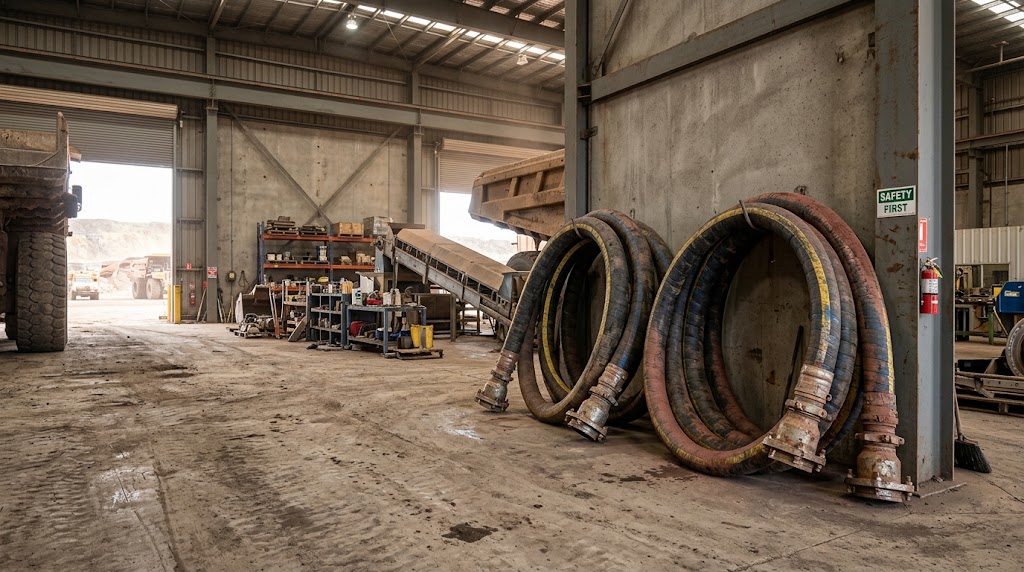
Mining operations require equipment that can withstand demanding conditions while supporting consistent material transfer. Hoses used in these environments may handle abrasive slurry, water, minerals and other materials, making product selection an important consideration. A properly specified mining hose can help businesses develop a transfer system suited to its operating requirements. PacfloTech provides industrial hose solutions for mining and material handling applications where suitable construction and dependable performance are essential.
Start With the Application Requirements
The right hose depends heavily on how and where it will be used. Mining operations can involve different materials, equipment and transfer conditions, so there is no single specification suitable for every situation.
Before selecting a mining hose, consider the material being transported, expected flow rate, operating pressure, temperature and frequency of use. The surrounding environment should also be assessed because mining sites can expose equipment to rough surfaces, heavy machinery and frequent movement.
Understanding these requirements from the beginning can help businesses avoid choosing a hose that is unsuitable for the actual conditions.
Consider the Material Being Transported
Water, slurry and mineral-containing materials can place different demands on a hose. Slurry, in particular, may contain solid particles that continuously contact the internal lining as the material moves through the system.
The composition of the material should therefore be considered when choosing a mining hose. Particle size, concentration and abrasiveness can influence the amount of internal wear a hose experiences.
A hose intended for abrasive material handling should have construction appropriate for those conditions. Selecting the product based on the material being transferred can help support more reliable operation.
Abrasion Can Affect Hose Performance
Mining and mineral processing environments can expose hoses to significant abrasion. Repeated movement of solid particles through a hose can gradually wear the internal lining, particularly when the material is highly abrasive.
Choosing a mining hose with suitable abrasion resistance can help manage this type of wear. However, even an abrasion-resistant hose requires regular inspection to monitor its condition.
Operators should look for visible signs of deterioration and pay attention to areas that experience frequent movement or contact with abrasive materials. Identifying wear early can make it easier to plan maintenance or replacement.
Match the Hose to Pressure and Flow
A hose operates as part of a larger transfer system, so its specifications need to correspond with connected equipment. Pumps can generate operating pressures that the hose must be capable of handling.
Flow rate is another consideration. Hose diameter can influence how effectively material moves through the system, while the length needs to provide adequate reach between connection points.
Businesses should review pump specifications and expected operating conditions before selecting a hose. This information can help determine a product that is appropriately sized and rated for the application.
Flexibility Can Be Valuable on Mining Sites
Mining operations can change as work progresses. Equipment may be moved, processing areas can expand and transfer points may need to be adjusted. Flexible hoses can provide useful versatility in situations where permanent pipework is impractical.
A flexible mining hose can connect equipment while accommodating movement within the system. It can also make certain installation and maintenance tasks more manageable.
However, flexibility does not mean the hose should be bent beyond its recommended limits. Kinking, excessive bending or dragging over rough surfaces can create unnecessary stress and contribute to premature deterioration.
Pay Attention to Connections
A hose cannot perform effectively if its connections are unsuitable. Fittings need to be compatible with the hose and the equipment being connected.
Before installation, businesses should confirm hose diameter, connection type and other relevant specifications. Secure connections can help support reliable operation and reduce problems associated with poor fitment.
Connection points should also be included in routine inspections. Damage or deterioration around fittings can affect the performance of the entire transfer system.
PacfloTech provides industrial hose solutions for mining, slurry and material handling applications. Its products support businesses that require hose solutions for demanding operating environments.
For businesses requiring a mining hose, taking time to assess the application can help identify a more suitable product. With appropriate selection, installation and regular inspection, a hose can support dependable material transfer and help businesses manage the demanding conditions found across mining operations.