How to Choose a Sliding Screen Door for Indoor-Outdoor Living
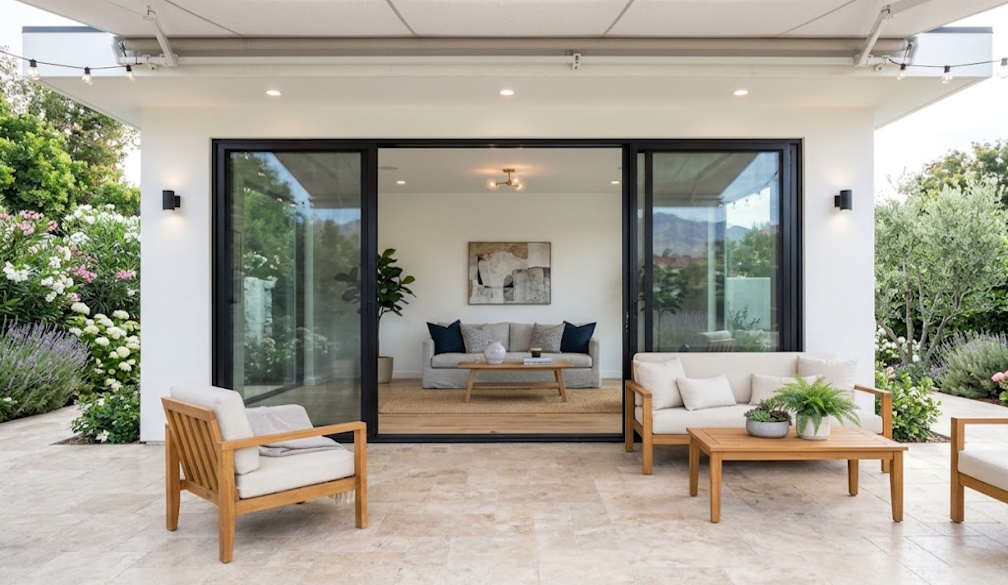
A sliding screen door can help make an outdoor area more usable by allowing fresh air into the home while providing a barrier against insects. It is often considered for glass doors that connect a living room, kitchen or bedroom with a patio, balcony or alfresco space. AD Innovations offers automated screening options for different opening types, and the best choice depends on the doorway’s dimensions, how often it is used and the level of convenience desired.
Look at How the Space Is Used
Start by thinking about the purpose of the opening. A door beside an outdoor dining area may be used repeatedly during meals and gatherings, while a bedroom opening may be used mainly for ventilation. Consider whether occupants need a wide, clear passage at certain times or whether the screen will remain closed for long periods. These habits help determine whether a manual or motorised configuration is worth considering.
The position of furniture and the route people take through the room also matter. A screen that is awkward to reach or difficult to move may be used less often than expected. Measure the opening and note nearby handles, curtains, plants or furnishings that could interfere with movement. Thinking through these practical details can help you choose a sliding screen door that supports daily routines instead of becoming an obstacle.
Understand the Available Configurations
Not every doorway has the same dimensions or layout. Standard sliding doors, wide glass openings and openings with unusual frames may call for different screen arrangements. Check the width and height, the condition of existing tracks and the space available for the screen when it is open. For larger spans, ask whether a customised or automated system may be more appropriate than a standard manual screen.
A sliding screen door should also fit neatly with the existing architecture. Frame colour, track visibility and the way the screen retracts can affect the overall appearance. If the home is undergoing renovation, coordinate the screen with flooring, door frames and adjacent finishes. A little planning before those details are finalised can help avoid a result that looks like an afterthought.
Improve Ventilation While Managing Insects
Screening can make it more comfortable to open doors for fresh air, especially when the weather is mild. The actual airflow through a room depends on the location of other windows and doors, wind direction and the building layout. A screen will not create cross-ventilation by itself, but it can help make an existing airflow path more practical to use without leaving the opening completely exposed.
When comparing screen materials, ask about visibility, airflow, cleaning and suitability for the location. An opening exposed to garden debris or frequent use may have different maintenance needs from a sheltered balcony door. A sliding screen door should be selected according to the property and its conditions rather than relying only on appearance or a general product description.
Manual or Automated Operation?
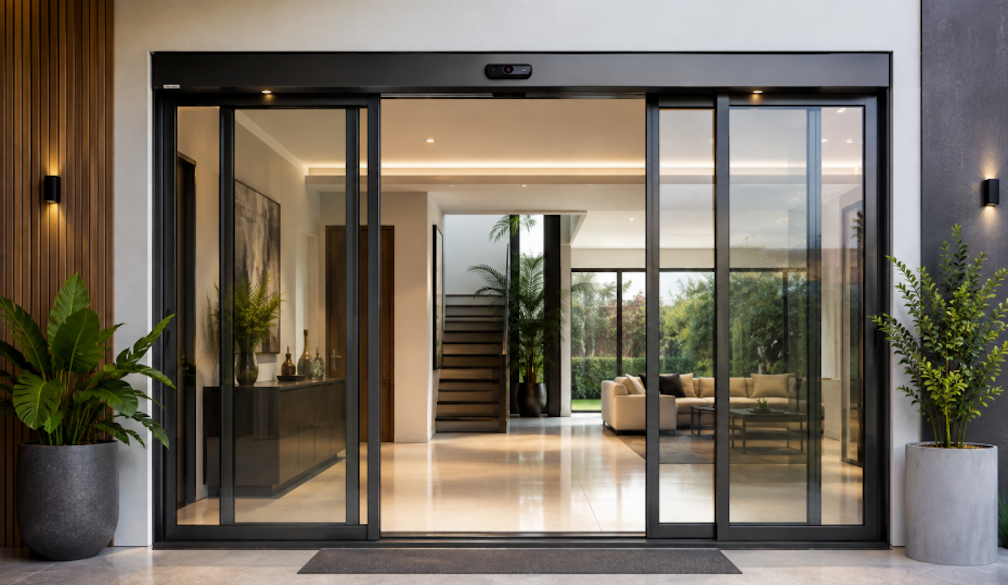
Manual screens can suit simple openings where the screen is moved occasionally and the dimensions are manageable. Automated systems may be worth considering where the opening is wide, used frequently or where occupants prefer button-operated movement. The best choice depends on the available products, installation requirements and budget. Ask the supplier to explain how each option operates and what it requires at installation.
For a busy indoor-outdoor area, a sliding screen door with motorised operation may reduce the effort involved in opening and closing the screen throughout the day. It is still important to understand the controls, moving path and maintenance instructions. Keep the track clear and avoid forcing any screen that becomes stuck. Ask how faults should be reported and what support is available if the system needs adjustment.
Installation Details and Ongoing Care
Before installation, confirm measurements, access requirements and any preparation needed around the frame or track. Ask which components are included in the quote and whether other trades need to complete work first. Clear communication helps reduce uncertainty and makes it easier to understand the finished result that has been agreed.
Routine maintenance depends on the screen design and the manufacturer’s recommendations. Keeping tracks clear of grit, cleaning the mesh appropriately and checking for irregular movement can help you identify issues early. Do not use unsuitable cleaning products or force the frame if it does not move smoothly. If a sliding screen door is damaged or no longer operates as expected, seek advice about the appropriate repair rather than improvising a fix.
Make the Choice Based on Your Opening
A suitable screen should balance function, appearance, airflow and everyday convenience. Consider how the doorway is used, the space available for movement and whether automated operation would add practical value. Ask for a site-specific recommendation and confirm any constraints before committing to a product.
AD Innovations provides automated screen options for residential openings and outdoor living spaces. If you are comparing a sliding screen door for your home, share the opening measurements and explain your priorities, whether they involve ventilation, appearance or easier operation. Matching the system to the actual space can help make indoor-outdoor living more comfortable and convenient.