How Mining Hoses Support Safe And Efficient Fluid Transfer In Heavy-Duty Operations
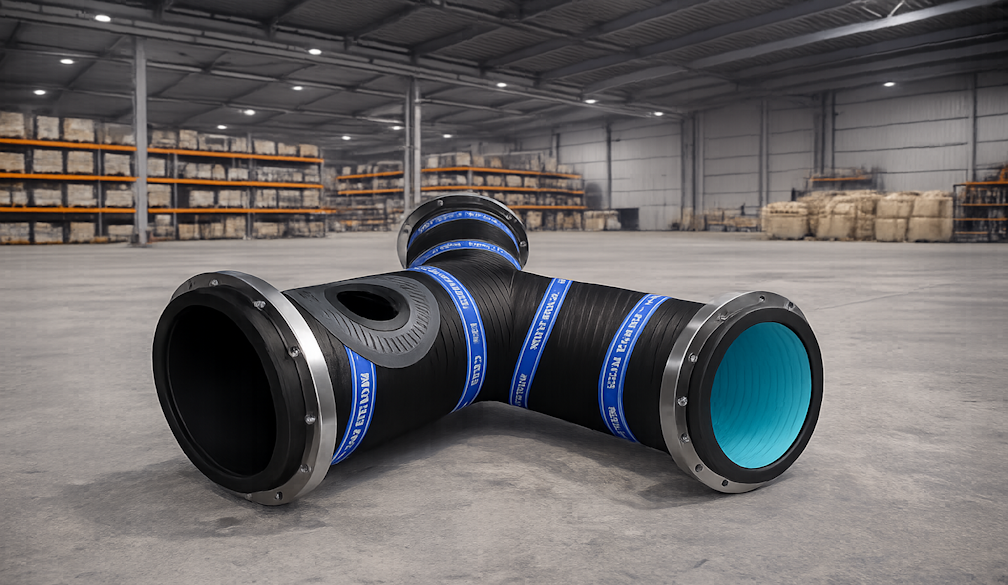
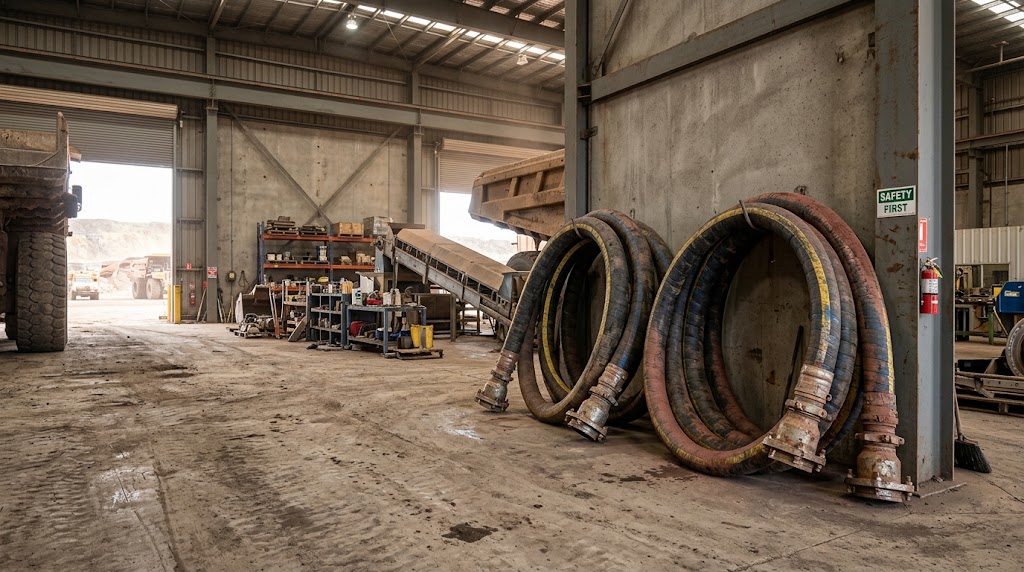
Maintaining safe and efficient material transfer is essential in large-scale industrial environments, which is why a durable mining hose is a key component in mining operations. These hoses are designed to handle the transfer of abrasive materials such as slurry, water, and mineral mixtures under high pressure and demanding conditions. Their performance directly affects operational efficiency and safety.
Mining operations involve continuous processes where equipment must perform reliably without interruption. A well-constructed hose ensures consistent flow, reducing the risk of downtime and improving overall productivity. Understanding the role of mining hoses helps highlight their importance in industrial systems.
Understanding The Nature Of Fluid And Slurry Transfer
Fluid transfer in mining often involves slurry, which is a mixture of liquid and solid particles. These particles create friction as they move through hoses, leading to wear over time. This makes it essential to use hoses that are specifically designed to handle abrasive materials.
In addition to abrasion, mining systems operate under varying pressure levels. This requires hoses that can maintain structural integrity while handling both high and fluctuating pressures. Properly designed hoses ensure that materials are transported efficiently without compromising performance.
Key Features Of Mining Hoses
Mining hoses are engineered with multiple layers to provide strength, flexibility, and resistance to wear. The inner lining is designed to handle abrasive materials, ensuring smooth flow and reducing friction. Reinforcement layers provide structural support, preventing the hose from collapsing under pressure.
The outer layer protects against environmental factors such as temperature variations, UV exposure, and physical impact. This combination of features ensures that the hose can perform reliably in challenging conditions.
Applications Across Mining Operations
Mining hoses are used in various stages of mining processes, including slurry transport, dewatering, and water transfer. They play a critical role in moving materials between extraction, processing, and storage areas.
Each stage requires hoses with specific characteristics to ensure efficiency and reliability. Selecting the appropriate hose for each application helps maintain consistent performance and reduces the risk of system failures.
The Importance Of Abrasion Resistance
Abrasion resistance is one of the most important characteristics of a mining hose. Continuous exposure to abrasive materials can cause rapid wear if the hose is not designed to handle such conditions. High-quality materials help reduce wear, extending the lifespan of the hose.
Reduced wear not only improves durability but also minimises maintenance requirements. This contributes to overall efficiency and cost savings in mining operations.
Maintaining Efficiency Through Proper Hose Selection
Efficiency in mining operations depends on selecting hoses that match the specific requirements of each application. Factors such as pressure rating, diameter, and material compatibility must be considered to ensure optimal performance.
The pressure rating determines the hose’s ability to handle operational conditions, while the diameter affects flow capacity. Material compatibility ensures that the hose can handle the substances being transported without degradation.
The Role Of Flexibility In Mining Applications
Flexibility is an important feature of mining hoses, as it allows them to adapt to different configurations and environments. Flexible hoses are easier to install and reposition, making them suitable for dynamic work settings.
At the same time, flexibility must be balanced with strength to ensure that the hose can withstand operational pressures. This balance is achieved through advanced design and material selection.
Maintenance Practices For Long-Term Performance
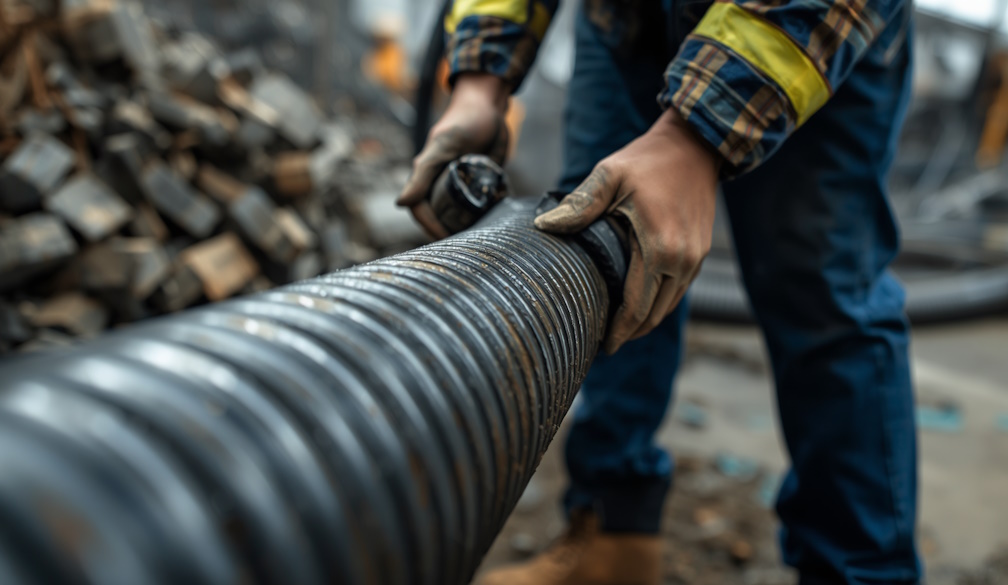
Regular maintenance is essential for ensuring the longevity and performance of mining hoses. Inspections should be conducted to identify signs of wear, such as cracks or weakened reinforcement. Addressing these issues early helps prevent system failures.
Cleaning and proper storage also contribute to maintaining hose performance. Following recommended maintenance practices ensures that the hose remains in good condition and continues to operate efficiently.
Safety Considerations In Mining Operations
Safety is a critical aspect of mining operations, and the quality of equipment plays a significant role in maintaining safe conditions. Faulty hoses can lead to leaks, pressure loss, or system failures, posing risks to workers and equipment.
Using high-quality hoses and adhering to maintenance practices helps reduce these risks. Ensuring that hoses meet safety standards is essential for protecting both personnel and operations.
Long-Term Benefits Of Reliable Mining Hoses
Investing in reliable mining hoses provides long-term benefits by improving efficiency and reducing maintenance costs. Durable hoses require fewer replacements, contributing to overall cost savings.
In addition to financial benefits, reliable hoses support consistent operations, reducing downtime and improving productivity. This makes them a valuable investment for mining systems.
Conclusion
Mining hoses play a vital role in ensuring safe and efficient fluid transfer in heavy-duty operations. By providing durability, abrasion resistance, and consistent performance, they support the smooth functioning of mining processes. Proper selection, installation, and maintenance ensure long-term reliability and contribute to overall operational success.