Decanter Centrifuge Solutions for Efficient Solid–Liquid Separation
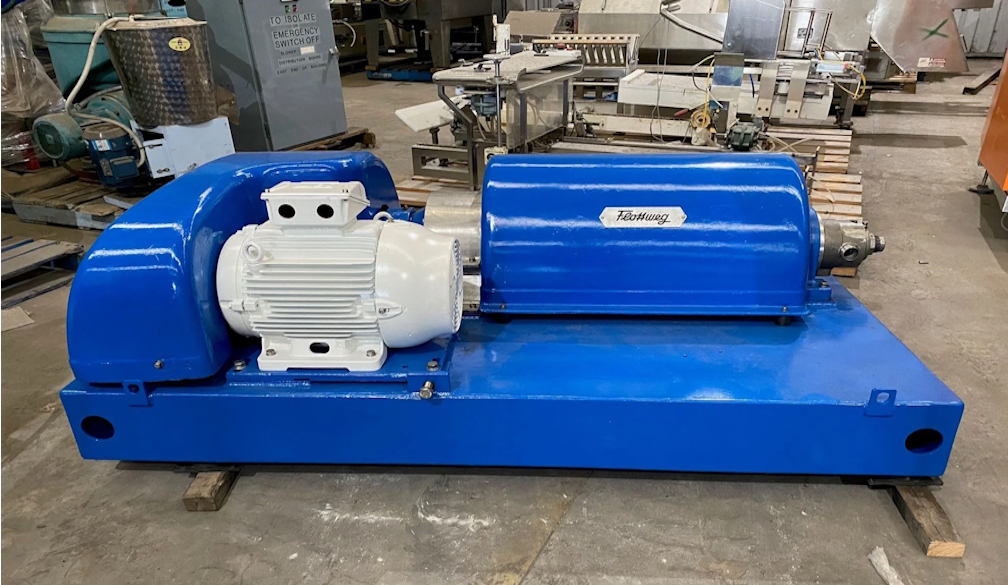
In industries where separation efficiency directly impacts productivity and operating costs, a decanter centrifuge plays a critical role in handling complex mixtures of solids and liquids. Designed to operate continuously under demanding conditions, this equipment is widely used in food processing, wastewater treatment, chemical manufacturing, and resource recovery. Its ability to deliver consistent separation results makes it an essential part of modern industrial processes.
Decanter centrifuges work by using centrifugal force to separate components based on density differences. This allows large volumes of material to be processed quickly and reliably, even when dealing with fine solids or variable feed compositions. As industries increasingly focus on efficiency, automation, and waste reduction, decanter centrifuges have become a preferred solution for high-performance separation tasks.
Used Separators for Sale as a Cost-Effective Alternative
For operations looking to balance performance with budget considerations, used separators for sale offer a practical and attractive option. Pre-owned centrifuges and separation equipment can deliver reliable results when properly inspected, serviced, and matched to the right application. Many facilities choose used separators to expand capacity, replace ageing units, or support temporary projects without the cost of new equipment.
Used separation equipment is particularly valuable in industries where proven designs are preferred and where operating conditions are well understood. With careful selection, businesses can achieve strong separation performance while managing capital expenditure more effectively.
How Decanter Centrifuges Work in Industrial Applications
A decanter centrifuge operates by feeding a slurry into a rapidly rotating bowl. Centrifugal force pushes heavier solids toward the outer wall of the bowl while lighter liquids move inward. An internal screw conveyor continuously transports the separated solids out of the system while clarified liquid exits through a separate outlet.
This continuous operation is a major advantage in high-throughput environments. Unlike batch processes, decanter centrifuges maintain steady performance, making them well-suited to processes that require consistent output and minimal interruption. Their ability to handle fluctuating feed conditions adds to their versatility across different industries.
Applications Across Multiple Industries
Decanter centrifuges are used wherever efficient solid–liquid separation is required. In wastewater treatment, they are essential for sludge dewatering, reducing volume and disposal costs. In food and beverage processing, they support clarification, separation, and recovery processes while maintaining hygiene and product quality.
Chemical and pharmaceutical industries rely on decanter centrifuges for separating reaction by-products and intermediates. Mining and mineral processing operations use them to recover valuable materials and manage tailings. This broad range of applications highlights the adaptability and importance of decanter centrifuge technology.
Advantages of Continuous Separation Technology
One of the key benefits of decanter centrifuges is their ability to operate continuously. This supports stable workflows and reduces downtime associated with batch handling. Continuous separation also improves process control, as operators can monitor and adjust performance in real time.
High centrifugal forces enable efficient separation even with fine particles or challenging mixtures. This efficiency translates into better product recovery, cleaner liquids, and drier solids, all of which contribute to improved overall process performance.
Evaluating Used Separation Equipment
When considering used separators, condition and suitability are critical factors. Equipment should be inspected for wear on key components such as the bowl, screw conveyor, bearings, and seals. Proper refurbishment and testing help ensure reliable operation and predictable performance.
Used decanter centrifuges are often selected for applications where similar units have already proven effective. Matching capacity, material compatibility, and operating parameters ensures the equipment integrates smoothly into existing systems. With the right evaluation process, used separators can deliver dependable results over an extended service life.
Materials and Design Considerations
Decanter centrifuges are built to handle abrasive, corrosive, or sensitive materials. Construction materials must be selected based on the properties of the processed media. Stainless steel is commonly used for its corrosion resistance and suitability for hygienic applications, while hardened surfaces protect against abrasive wear.
Design features such as adjustable differential speed and variable bowl geometry allow operators to fine-tune performance. These options support optimisation for specific separation goals, whether prioritising dryness of solids or clarity of liquid output.
Energy Efficiency and Operational Control
Modern decanter centrifuges are designed with energy efficiency in mind. Variable speed drives and advanced control systems allow operators to adjust performance based on real-time process conditions. This reduces unnecessary energy consumption while maintaining separation quality.
Efficient operation lowers operating costs and supports sustainability objectives. By optimising speed and torque, facilities can achieve reliable separation with reduced power usage, particularly in continuous, high-volume applications.
Maintenance and Reliability in Demanding Environments
Decanter centrifuges are engineered for durability, but regular maintenance remains essential. Monitoring wear components, lubricating bearings, and inspecting seals helps prevent unexpected failures. Planned maintenance schedules reduce downtime and protect long-term performance.
Used separators benefit especially from structured maintenance programs. Once properly serviced and installed, they can perform reliably for many years. Predictable maintenance supports smoother operations and reduces the risk of costly disruptions.
Integration With Automated Processing Systems
In modern facilities, decanter centrifuges are often integrated into automated processing lines. Sensors and control systems monitor parameters such as feed rate, torque, and vibration. This integration enables precise control and early detection of performance issues.
Automation also allows decanter centrifuges to respond quickly to changes in feed composition. This adaptability supports consistent output quality and reduces operator intervention, making processes more efficient and stable.
Safety and Process Stability
Safety is a key consideration in high-speed separation equipment. Decanter centrifuges are designed with robust housings and monitoring systems to ensure stable operation. Proper installation and adherence to operating guidelines further reduce risk.
Stable separation performance also contributes to process safety. Consistent output reduces downstream variability and helps protect connected equipment from overload or imbalance. Reliable operation supports both safety and productivity.
Used separators can further enhance value by providing access to proven technology at reduced cost. By focusing on suitability, condition, and maintenance, businesses can achieve dependable separation performance while managing budgets effectively. In demanding industrial environments, well-chosen centrifuge solutions continue to deliver value long after installation.