How Mining Hose Routing Can Influence Wear and Transfer Efficiency
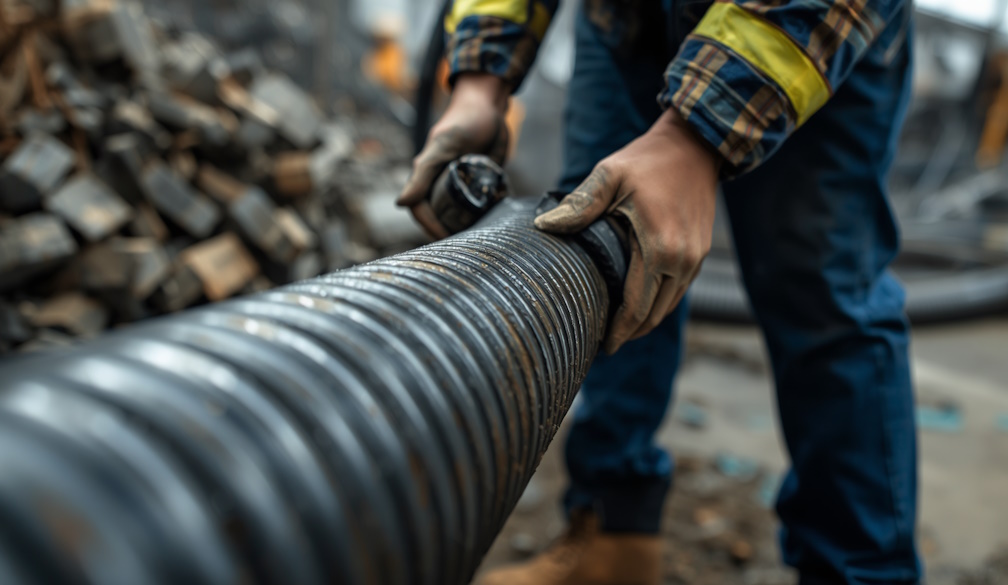
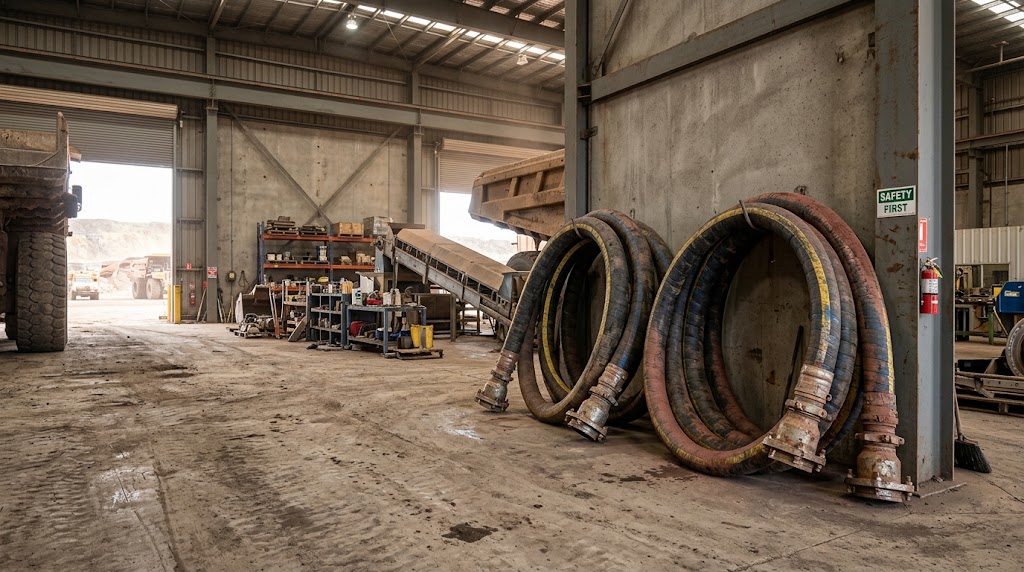
The routing of a mining hose can have a significant effect on wear, flow behaviour, connection stress, and overall transfer performance. Mining and mineral processing operations often move abrasive slurry and other materials through complex site layouts where pumps, equipment, structures, and access routes limit installation options. A hose may have suitable pressure and material-handling characteristics yet still experience premature deterioration if it is forced through tight bends, left unsupported, positioned across rough surfaces, or connected under tension. Careful route planning can reduce unnecessary mechanical stress and make inspection and maintenance easier.
Assess the Full Route Before Installation
The complete path between the starting and ending connection points should be reviewed before the hose is positioned. Focusing only on the shortest distance can create installation problems later.
The route should account for equipment, structures, vehicle movement, maintenance access, ground conditions, and possible future site changes. A direct path may not be practical if it places the hose near repeated impact or crushing hazards.
Planning the route early can also identify where supports or protection may be required. This approach can reduce the need for repeated repositioning after the transfer system is already operating.
Reduce Unnecessary Direction Changes
Every change in direction affects the way material moves through a transfer line. In abrasive applications, bends may experience different wear patterns from straight sections.
Particles can contact certain areas more heavily as the flow changes direction. The severity of wear may depend on particle characteristics, velocity, concentration, and the geometry of the bend.
Removing unnecessary direction changes can simplify the route and reduce potential high-wear locations. Where bends are required, they should be planned rather than created by forcing the hose around obstacles.
Avoid Excessively Tight Bends
Flexible equipment still has practical bending limits. A hose forced into an excessively tight curve may experience structural stress and a reduction in its internal flow area.
This can affect transfer performance and create a location where wear develops more quickly. Tight bends near couplings can be particularly problematic because they combine bending stress with connection loading.
The route should allow the hose to follow a natural curve. If the available space does not permit this, the installation layout may need to be reconsidered.
Consider the Effect of Elevation Changes
Mining transfer systems may need to move material between different elevations. These changes can influence pressure requirements and the physical installation of the hose.
A line running down a slope may require support to prevent its weight from pulling on lower connections. A line travelling upward may also experience different pressure conditions depending on the system.
Elevation should be considered during both hydraulic planning and physical installation. The hose needs to remain supported without creating concentrated loading or unnecessary movement.
Keep the Hose Away From Traffic Routes
Vehicles and mobile equipment can create serious risks for transfer lines. A hose positioned across an active traffic route may be exposed to crushing, impact, or repeated movement.
Routing away from traffic is preferable where practical. Site layouts can change, however, and an area that was initially quiet may later become an active access route.
Regular site reviews can help identify new hazards. If the hose cannot be moved, appropriate protection and access controls may need consideration.
Protect Against Rough Ground Conditions
Mining sites can contain gravel, rock, metal fragments, and other abrasive surfaces. Repeated contact can gradually wear the outer cover.
Dragging during installation or relocation can increase this damage. A heavy assembly may be particularly difficult to move without contact with the ground.
The route should minimise unnecessary rubbing and movement. Suitable support or protection may be required in areas where direct contact cannot be avoided.
Plan Supports for Operating Weight
A hose filled with dense slurry can weigh considerably more than an empty assembly. Supports should therefore be designed around operating conditions.
Long unsupported sections may sag and create unwanted bends. The resulting load can also transfer to couplings, pipes, pumps, or other connected equipment.
Support locations should distribute weight without creating new damage points. They should also be inspected because movement, wear, or changing site conditions can affect their performance over time.
Maintain Suitable Connection Alignment
The route should allow the hose to meet connection points without excessive pulling, twisting, or bending. Using the hose to compensate for poor equipment alignment can create continuous stress.
This loading may be concentrated near the ends of the assembly. Vibration and normal operational movement can make the problem worse.
Connected equipment should be positioned as accurately as practical. The final route should allow the hose to sit naturally before fittings are fully secured.
Allow for Expected Movement
Some transfer systems involve pumps or equipment that move during operation or between work stages. The hose route needs to account for this expected movement.
Too little flexibility can create tension at connections, while excessive uncontrolled movement may cause the hose to strike nearby structures.
The installation should provide enough freedom for normal operating movement without allowing unnecessary contact. Observing the system during initial operation can help identify adjustments that may be required.
Make Inspection Points Accessible
A route that hides important sections behind equipment or structures can make routine inspection difficult. Wear may continue unnoticed when maintenance teams cannot easily view bends, connections, or external surfaces.
High-wear areas should remain accessible where practical. This includes hose ends, bends, supports, and sections exposed to movement.
Maintenance access should be considered during installation rather than after a problem develops. Better access can also reduce the time required for future replacement work.
By treating routing as part of the complete transfer system, mining operations can identify avoidable sources of wear and mechanical stress. Better installation planning, regular inspection, and the use of maintenance records can support more predictable hose performance and reduce preventable interruptions in demanding material transfer operations.