Dental Veneers Lifestyle: Easy Habits That Keep Your New Smile Looking Brand New
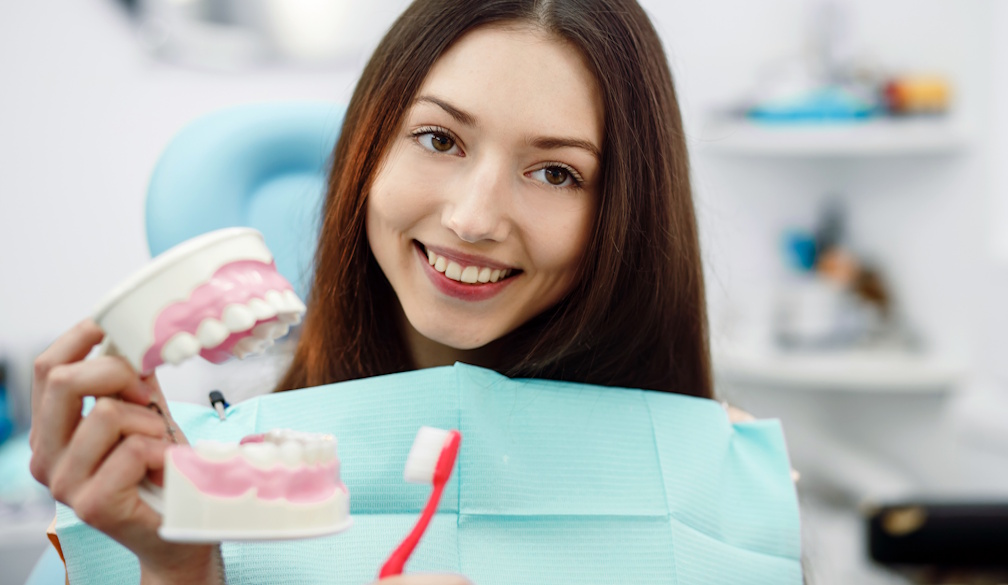
A beautiful, bright smile can transform not just your appearance but also your confidence and the way you interact with the world. Dental veneers have become a popular choice for achieving that flawless smile, correcting imperfections such as stains, chips, or minor misalignments. However, getting veneers is only the first step. Maintaining them properly is crucial to ensure your investment lasts and continues to look natural and vibrant. By incorporating a few practical habits into your daily routine, you can keep your veneers looking as stunning as the day they were placed.
One of the most important aspects of caring for dental veneers is maintaining excellent oral hygiene. Brushing your teeth at least twice a day with a non-abrasive toothpaste helps remove plaque and prevent staining. Equally important is flossing daily to keep the areas between teeth and along the gumline free of debris and bacteria. While veneers themselves are resistant to decay, the underlying teeth are not. Neglecting oral hygiene can lead to gum disease or cavities, which may compromise the longevity of your veneers. Additionally, using an alcohol-free antibacterial mouthwash can reduce bacteria and help maintain healthy gums, supporting both the appearance and fit of your veneers. For patients looking to dive deeper into maintaining their investment, resources on how to significantly extend the porcelain veneer lifespan provide detailed guidance from dental professionals.
Avoiding habits that can physically damage your veneers is another key component of long-term care. Teeth grinding, or bruxism, can put significant stress on porcelain veneers and may cause chips or cracks. If you have a tendency to grind your teeth, especially at night, using a custom-fitted night guard can protect your veneers from excessive wear. Similarly, chewing on hard objects such as ice, pens, or hard candies should be avoided, as veneers, while strong, are not indestructible. Even seemingly harmless habits like nail-biting can weaken the bond of your veneers over time. Being mindful of these daily behaviors can significantly extend the porcelain veneer lifespan.
Regular dental check-ups are essential for maintaining veneers in top condition. Professional cleanings help remove plaque and tartar that daily brushing may miss, keeping your teeth and gums healthy. Your dentist can also check for any signs of damage or wear on your veneers and recommend adjustments or repairs if necessary. Early detection of minor issues can prevent more significant problems, ensuring your veneers continue to function and look their best for many years.
Another often overlooked factor in veneer care is your diet. Consuming foods and beverages that are prone to staining, such as coffee, red wine, tea, and certain berries, can dull the appearance of veneers over time. While veneers resist staining better than natural teeth, prolonged exposure to these substances may still cause discoloration at the edges or along the bonding material. Using a straw for beverages that could stain and rinsing your mouth with water afterward can help protect your smile.
Maintaining a balanced and nutrient-rich diet also supports overall oral health. Strong teeth and gums are essential for the stability of your veneers. Incorporating plenty of fresh fruits, vegetables, lean proteins, and dairy products can provide the vitamins and minerals your teeth need. Calcium and vitamin D, in particular, are vital for strong tooth enamel, which underpins the longevity of veneers. By combining good nutrition with proper oral hygiene, you reinforce the health of your natural teeth and gums, creating a foundation that ensures your veneers remain secure and beautiful.
Lifestyle choices beyond diet also play a role in veneer care. Smoking and excessive alcohol consumption can affect oral health and increase the risk of staining. Smoking, in particular, can darken both veneers and natural teeth, creating an uneven appearance. Limiting or avoiding these habits contributes to both your overall health and the long-term aesthetic of your smile. Additionally, staying hydrated helps maintain saliva flow, which naturally cleanses your mouth and protects against decay.
For those who lead active lifestyles or participate in contact sports, wearing a mouthguard during physical activity is highly recommended. Accidental impacts can chip or loosen veneers, and a protective guard minimizes this risk. Being proactive about dental protection during sports or recreational activities demonstrates foresight in preserving your smile.
By implementing these habits—meticulous oral hygiene, avoiding harmful behaviors, regular dental visits, mindful eating, and protective measures—you are not only caring for your veneers but also enhancing your overall oral health. Pairing these care strategies with knowledge of nutrition and dental health, because your diet is a powerful way to strengthen your teeth and gums, completes a holistic approach to maintaining a flawless, healthy smile.