The Gold Standard: A Definitive Guide to Australian Oral Care
The landscape of Australian healthcare is shifting, with a renewed focus on holistic wellbeing that begins in the mouth. For many Australians, maintaining a bright, healthy smile is no longer just about aesthetics; it is a vital component of systemic health. As we navigate the unique environmental factors of the Lucky Country—from our high-sugar diets to our love of acidic coffee and wine—understanding the benchmarks of premium dental maintenance has never been more critical. This guide explores the modern pillars of Australian oral care and how to achieve a standard of health that lasts a lifetime.
The Shift Toward Proactive Maintenance
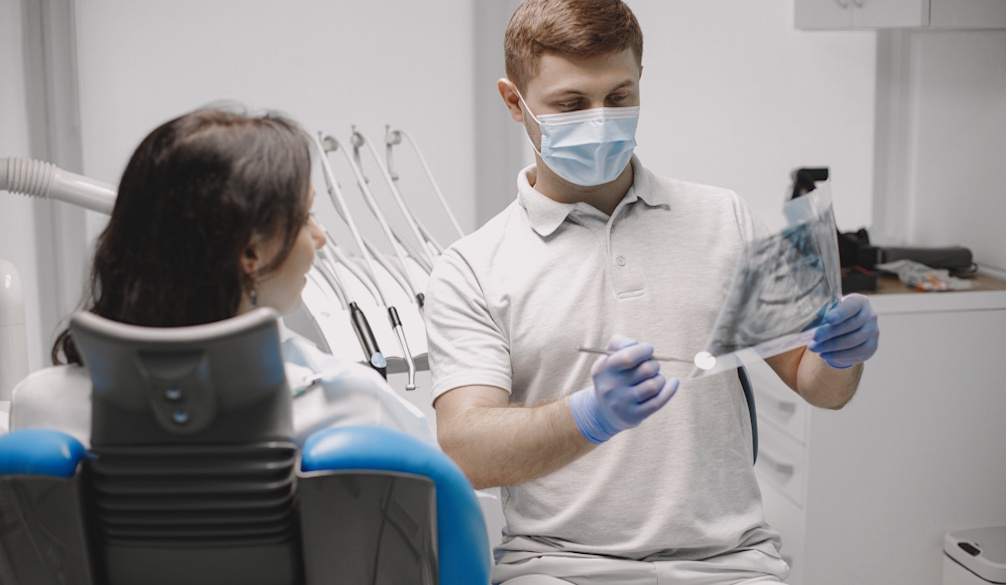
For decades, the Australian approach to dentistry was reactive, often characterised by "drilling and filling" only when pain became unbearable. Today, the gold standard has pivoted toward a proactive philosophy. By identifying potential issues before they manifest as physical discomfort, patients can avoid the invasive and costly procedures of the past. This involves a combination of meticulous at-home hygiene and professional oversight. High-quality care now integrates advanced diagnostic tools, such as digital X-rays and intraoral cameras, allowing clinicians to spot microscopic decay and gum recession in their earliest stages.
The Foundation of General Dentistry
At the heart of a healthy mouth lies a commitment to the basics. While cosmetic enhancements like veneers and professional whitening are popular, they are only as good as the foundation they sit upon. Sustainable health is achieved through preventive dental care plans built around general dentistry which serve as the first line of defence against chronic disease. These plans typically involve biannual check-ups and professional cleans that remove calcified plaque (tartar) which cannot be shifted by standard brushing alone. By prioritising these routine visits, Australians can manage the risk of periodontitis, a condition linked to broader health issues including cardiovascular disease and diabetes.
Nutrition and the Australian Lifestyle
The Australian diet plays a significant role in the health of our enamel. With a lifestyle that often involves outdoor dining and social drinking, our teeth are frequently exposed to "acid attacks." The gold standard of care involves understanding the pH balance of the mouth. Frequent snacking on high-carb foods provides constant fuel for bacteria, leading to demineralisation. To counter this, experts recommend the "water swish" method after meals and choosing calcium-rich snacks like local cheeses to help neutralise acids and remineralise tooth surfaces.
Innovation in Home Care Technology
The modern Australian bathroom cabinet has evolved. Manual toothbrushes are being replaced by oscillating-rotating power brushes that utilise pressure sensors to prevent gum damage—a common issue among over-enthusiastic brushers. Furthermore, the rise of "floss alternatives" like water flossers and interdental brushes has made cleaning between the teeth more accessible for those who find traditional flossing cumbersome. Using fluoridated toothpaste remains a non-negotiable standard in Australia, as it reinforces the enamel against the specific challenges posed by our acidic dietary habits.
High-Tech Diagnostics and Early Intervention
We are entering an era where data-driven dentistry is becoming the norm. Australian clinics are increasingly adopting AI-driven software to analyse scans with pinpoint accuracy. This level of precision ensures that no cavity is missed and no unnecessary treatment is prescribed. Laser dentistry is also becoming more prevalent, offering a needle-free and quiet alternative for treating decay and gum disease, which significantly reduces dental anxiety for many patients. This integration of technology ensures that the patient experience is as comfortable as it is effective.