Designing an Outdoor Space You’ll Actually Use
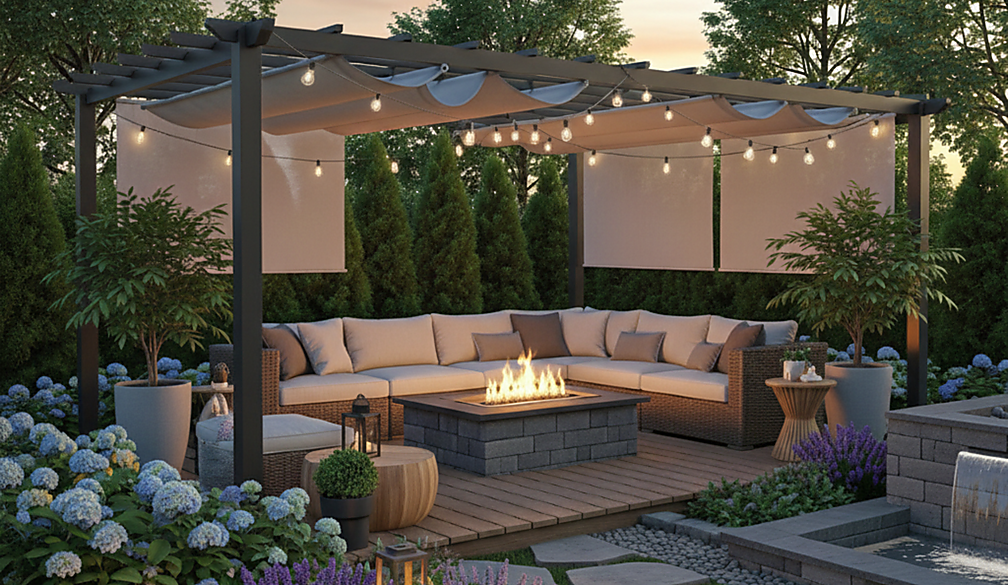
Adding a covered area to the backyard often starts with a simple idea: more shade. But once homeowners begin planning, it becomes clear that a patio does far more than block the sun. It changes how the yard functions, how often it’s used, and even how the house feels from the inside.
In Queensland, where outdoor living is part of everyday life, a well-designed patio can turn unused space into somewhere people naturally gather — not just on weekends, but throughout the week.
Start With Lifestyle, Not Just Structure
Before comparing materials or roof styles, it helps to think about how the space will be used six months from now. Will it hold a dining table? A lounge setting? An outdoor kitchen later on?
These decisions influence everything from roof span to post placement. A patio that feels slightly too small or poorly positioned can limit furniture layout and movement. Planning around actual usage — rather than a generic rectangle of shade — usually leads to better long-term satisfaction.
Roof Style Shapes Comfort
Open roof designs allow more light but less protection from heat and rain. Insulated roofing panels can reduce heat transfer and make the space more comfortable during warmer months. In Queensland’s climate, that difference can determine whether the patio becomes a year-round extension of the home or a space avoided in summer.
Material choice also affects sound. During heavy rain, insulated panels tend to reduce noise compared to basic sheeting.
Making It Look Intentional
A patio should feel connected to the house rather than attached as an afterthought. Matching roof pitch, selecting complementary colours, and aligning structural posts with existing architectural lines can make a noticeable difference.
This is often where homeowners start exploring systems like a Stratco patio, not just for structural reliability but for design flexibility that works with modern Australian homes.
Thinking About Weather — Not Just Shade
Sun exposure is only one factor. Wind direction, storm patterns, and water runoff all affect placement and orientation. In some properties, extending the roofline slightly further can improve rain protection without significantly increasing cost.
Attention to drainage plumbing and guttering also prevents future maintenance headaches.
Council and Compliance Considerations
Depending on size and location, patio additions may require approval. Setbacks from boundaries, height limits, and structural classifications vary by council area.
Clarifying these requirements early avoids redesign work later in the process.
Building for Long-Term Use
Outdoor structures are exposed constantly — UV, rain, and changing temperatures all take their toll over time. Choosing corrosion-resistant materials and durable finishes supports longevity, particularly in coastal or high-humidity environments.
Installation quality matters just as much as product choice. Small alignment issues may not be obvious immediately but can affect performance down the track.
A Space That Changes Daily Living
When planned thoughtfully, a patio shifts how the home is used. Morning coffee moves outside. Family meals stretch into the evening. Entertaining becomes easier without rearranging indoor furniture.
Toward the later stages of planning, many homeowners compare different structural systems and settle on options such as a Stratco patio because the design integrates well with their existing roofline and offers flexibility in size and finish.
The real value, though, isn’t in the brand or the materials alone. It’s in creating a space that feels intentional — somewhere that naturally becomes part of everyday life rather than a structure that simply occupies the backyard.
A well-considered patio doesn’t just add coverage. It reshapes how a home feels and functions, turning outdoor space into living space in a way that lasts well beyond installation day.