The First Admin Steps That Make a New Business Feel Real

Starting a new business often begins with an idea, a conversation, or a problem you believe you can solve better than anyone else. In the early days, it can feel exciting but slightly intangible. You may have a name, a rough plan, a few potential customers, or even a product ready to go, but the business itself may not feel fully real until the practical foundations are in place.
That’s where the first administrative steps matter. They turn an idea into something structured, searchable, accountable, and ready to trade. One of the earliest tasks for many Australian business owners is understanding how to apply for an ABN, because an Australian Business Number is often the gateway to invoicing, registering a business name, dealing with suppliers, and presenting your venture professionally.
These early admin jobs may not be glamorous, but they create momentum. They give your business a legal and operational shape, helping you move from planning to doing.
Choosing the Right Business Structure
Before registering anything, it’s worth thinking carefully about your business structure. In Australia, common structures include sole trader, partnership, company, and trust. Each has different implications for tax, liability, reporting obligations, and control.
A sole trader structure is often simple and cost-effective for individuals starting out on their own. A company, on the other hand, may suit businesses with higher risk, growth ambitions, investors, or multiple stakeholders. Partnerships can work well for two or more people operating together, while trusts are often used for more specialised asset protection or tax planning purposes.
This decision shouldn’t be treated as a box-ticking exercise. The structure you choose can affect how you pay tax, how profits are distributed, what happens if the business takes on debt, and how easily you can bring in partners or investors later. Getting professional advice early can save time, money, and unnecessary restructuring down the track.
Registering an ABN
An ABN is one of the clearest signs that your business has moved from concept to operation. It identifies your business to the government, customers, suppliers, and other organisations.
You generally need an ABN if you’re carrying on an enterprise in Australia. Once registered, you can include it on invoices, use it when ordering from suppliers, and quote it to avoid certain withholding requirements. It also helps customers verify they’re dealing with a legitimate business.
Applying for an ABN also forces you to clarify important details, such as your business structure, activities, trading name, and contact information. These details may seem basic, but they help define how your business will operate in the real world.
Registering Your Business Name
If you plan to trade under a name other than your own personal name, you’ll usually need to register a business name. This is the name customers see on your website, invoices, shopfront, social media profiles, packaging, and marketing materials.
Choosing a business name can be surprisingly difficult. It needs to be memorable, relevant, easy to spell, and flexible enough to grow with the business. A name that feels perfect for your first product may become restrictive if you later expand into a broader service range.
Before settling on a name, check whether it’s available as a business name, domain name, and social media handle. It’s also sensible to consider whether the name could conflict with an existing trade mark. Business name registration doesn’t automatically give you ownership of the name as intellectual property, so trade mark protection may be worth investigating.Setting Up Business Banking
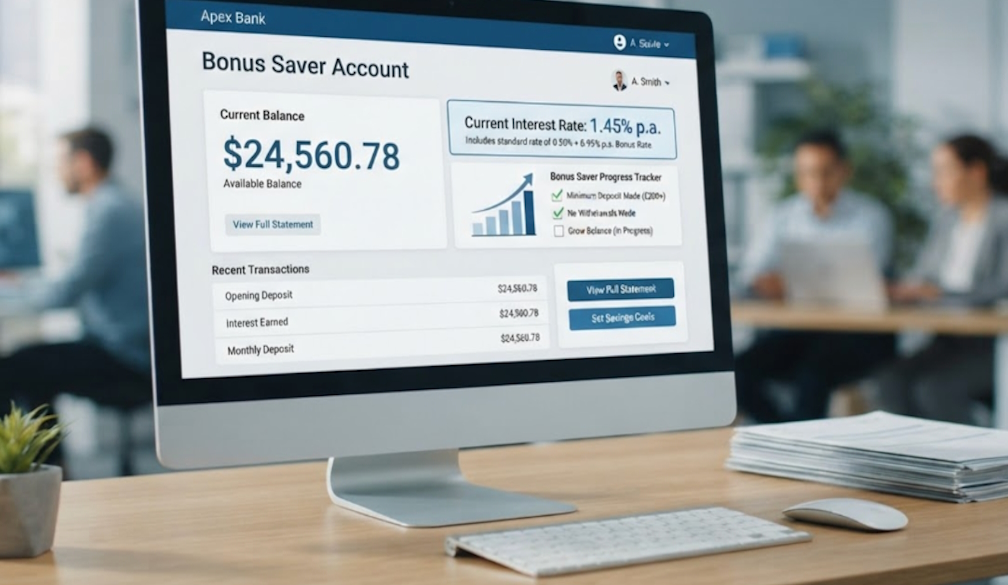
A separate business bank account makes life much easier from day one. It creates a clean line between personal and business finances, which helps with bookkeeping, tax reporting, cash flow tracking, and general financial discipline.
Even sole traders, who aren’t always legally required to maintain a separate account, often benefit from doing so. It becomes easier to see whether the business is actually making money, where expenses are going, and how much should be set aside for tax.
A dedicated bank account also looks more professional. Clients and customers may feel more confident paying into an account that matches the business name, particularly once the business begins dealing with larger invoices or recurring payments.
Creating a Simple Record-Keeping System
Good record keeping is easier to start early than to fix later. Every invoice, receipt, subscription, payment, and expense should have a clear place to go. This doesn’t necessarily mean investing in complex software immediately, but it does mean creating a system you can stick to.
Many new businesses begin with accounting software that can connect to bank feeds, issue invoices, track expenses, and prepare reports. Others start with spreadsheets and upgrade as the business grows. The best system is one that gives you visibility and keeps you compliant without becoming a burden.
Record keeping also helps you make better decisions. When you know your costs, margins, payment cycles, and revenue patterns, you can price more accurately and plan with greater confidence.
Understanding Tax and GST Obligations
Tax obligations are a key part of becoming a serious business owner. Depending on your revenue, structure, and activities, you may need to register for GST, pay income tax, manage PAYG withholding, or make PAYG instalments.
GST registration is required once your business reaches the relevant turnover threshold, though some businesses choose to register earlier. This decision can affect your pricing, invoicing, reporting, and cash flow, so it should be considered carefully.
It’s also wise to set aside money for tax from the beginning. Many new business owners make the mistake of treating all incoming revenue as available cash. In reality, a portion may need to be kept aside for future tax payments, superannuation, GST, or other obligations.
Building Your Basic Business Documents
Once your business is registered and ready to trade, a few practical documents can make everyday operations smoother. These may include invoice templates, service agreements, terms and conditions, privacy policies, quotes, proposals, onboarding forms, and email templates.
These documents do more than save time. They set expectations, reduce misunderstandings, and create a more professional customer experience. Clear terms around payment timeframes, cancellations, refunds, delivery, and scope of work can prevent disputes before they happen.
Making the Business Feel Real
The first admin steps of a business can feel dry compared with branding, product development, or winning customers. Yet they’re the steps that give your idea structure. They make it possible to invoice, trade, pay tax, open accounts, work with suppliers, and build trust.
A business starts to feel real when it has a name, a number, a bank account, a system, and a plan. These foundations may not guarantee success, but they give you the confidence to operate properly from the beginning.
Starting strong doesn’t mean having everything perfect. It means creating enough order to move forward with clarity. Once the essential admin is in place, you can spend less time wondering whether you’re ready and more time building the business itself.