Why Water Suction Hose Systems Are Essential for Industrial Fluid Transfer
Industries that rely on the movement of liquids often require specialised equipment designed to handle high volumes of water, slurry, or other fluids. From agriculture and construction to mining and wastewater management, efficient fluid transfer systems are essential for maintaining operations. One of the most important components used in these applications is the water suction hose, which is designed to move large quantities of water and other liquids efficiently.
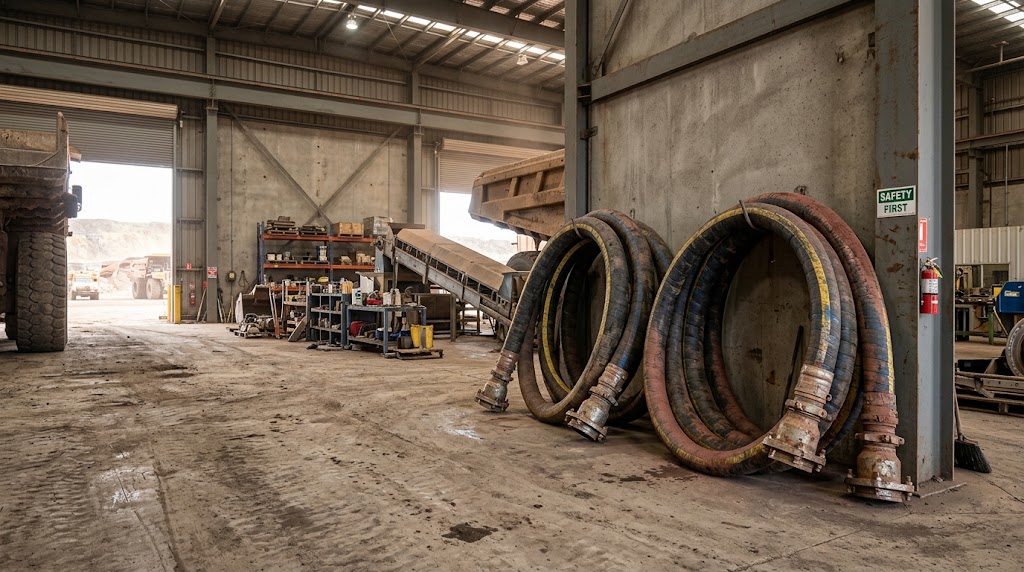
In many industrial setups, a complete water suction hose assembly is required to ensure safe and reliable operation. These assemblies include reinforced hoses, fittings, and connectors that allow the hose to handle demanding conditions such as high pressure and heavy fluid loads.
Another commonly used configuration is the water suction and delivery hose, which allows both suction and discharge of liquids within the same system. In pumping applications, these hoses often function as a pump suction hose, drawing fluids from tanks, pits, or natural water sources and delivering them to processing equipment.
Understanding the Function of Suction Hoses
Pump suction hose is designed to transport liquids from one location to another by creating negative pressure within the hose. Pumps generate a suction force that pulls water or slurry through the hose and into a system where it can be processed or redirected.
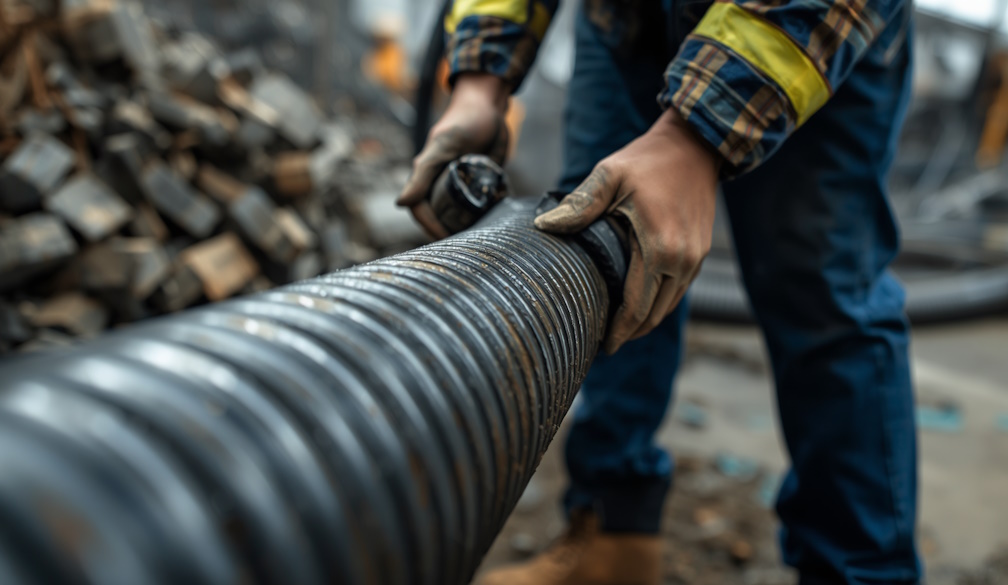
Unlike standard hoses used for discharge, suction hoses are constructed with reinforced structures that prevent collapse when negative pressure is applied.
This reinforcement ensures that the hose maintains its shape and internal diameter even when subjected to strong suction forces.
Maintaining structural integrity is essential for efficient fluid transfer and consistent pump performance.
Applications of Water Suction Hoses
Water suction hoses are widely used in a variety of industries where fluid transfer is required. Agricultural operations often use these hoses to draw water from ponds, wells, or reservoirs for irrigation systems.
Construction sites rely on suction hoses for dewatering projects, where excess water must be removed from excavations or foundations.
Municipal services may use these hoses in wastewater management systems or flood response operations.
Because these hoses can handle both water and certain types of slurry, they are also used in industrial processing environments.
Their versatility makes them essential for many fluid handling operations.
Construction and Design Features
Water suction hoses are engineered with durability in mind. Most designs include multiple layers of reinforcement to ensure strength and flexibility.
A typical hose structure may consist of an inner rubber lining, a reinforcement layer made from synthetic fibres or steel wire, and an outer protective cover.
The inner lining provides resistance to abrasion and chemical exposure, while the reinforcement layer prevents collapse during suction.
The outer cover protects the hose from environmental damage such as sunlight, moisture, and mechanical wear.
These design features allow suction hoses to perform reliably in demanding environments.
Benefits of Reinforced Hose Assemblies
Using a complete suction hose assembly provides several operational advantages. Pre-assembled systems ensure that hoses and fittings are compatible and properly installed.
This reduces the risk of leaks or disconnections during operation.
Reinforced assemblies also help maintain consistent fluid flow by preventing structural failures under pressure.
Reliable hose assemblies contribute to safer working environments and improved system efficiency.
Proper installation ensures that pumps and other equipment operate at optimal performance levels.
Importance of Hose Flexibility
Flexibility is an important characteristic of suction hoses because they often need to be positioned around obstacles or connected to equipment located in confined spaces.
Flexible hoses allow operators to adjust positioning without causing stress on the pump or fittings.
At the same time, hoses must maintain sufficient strength to withstand pressure changes and mechanical wear.
Balancing flexibility with structural strength ensures long service life and dependable operation.
Maintenance and Inspection
Regular inspection and maintenance are essential for ensuring the reliability of suction hoses. Operators should periodically check hoses for signs of wear such as cracks, abrasions, or loose fittings.
Damaged hoses should be repaired or replaced promptly to prevent system failures.
Cleaning hoses after use helps remove debris that may cause internal damage or blockages.
Routine maintenance not only extends the lifespan of the hose but also improves overall system performance.
Choosing the Right Hose for Specific Applications
Selecting the correct suction hose depends on several factors including fluid type, pressure requirements, temperature conditions, and environmental exposure.
For example, hoses used in abrasive environments such as mining may require additional reinforcement to resist wear.
Agricultural and water transfer applications may prioritise flexibility and ease of handling.
Consulting with equipment specialists helps ensure that the selected hose meets the specific requirements of the application.
Proper hose selection improves efficiency and reduces operational risks.
Enhancing Industrial Efficiency Through Reliable Equipment
Efficient fluid transfer is essential for maintaining productivity across many industries. High-quality suction hoses help ensure that liquids can be moved safely and efficiently between locations.
By using durable materials and reinforced designs, modern suction hoses provide reliable performance even in demanding environments.
These systems help support a wide range of industrial operations, from construction and agriculture to wastewater management.